Understanding Domain Names: The Foundation of a Strong Online Presence
Understanding Domain Names
What Is a Domain Name?It’s astonishing how our digital identities hinge on something as seemingly simple as a domain name. These unique addresses are the backbone of online presence, guiding visitors through the labyrinth of the internet. A domain name isn’t just a random string of characters; it’s a carefully crafted identifier, embodying brand identity and credibility. Think of it as a name in the vast digital universe—one that must be memorable and reliable.
Understandably, choosing the right domain name can be the difference between obscurity and visibility. It’s not enough to slap together random words; strategic selection plays a crucial role. The best domain names are concise, relevant, and easy to spell. Often, they include keywords that mirror what your site offers, which enhances SEO—making it easier for your target audience to find you among countless competitors.
- Short and memorable
- Relevantly keyword-rich
- Simple to spell and pronounce
When delving into the world of domain names, the focus lies in creating a digital address that’s not just unique but also primed for growth and recognition. In a landscape where brand reputation hinges on web real estate, the strategic selection of domain names becomes an art form—an intricate dance between creativity and function, realising the full potential of an online identity.
How Domain Names WorkUnderstanding how domain names work is akin to deciphering the intricate blueprint of a house—each component plays a vital role in the overall stability and appearance. When someone types in a website address, the domain names serve as the digital equivalent of a street address, guiding visitors straight to the right portal. Behind the scenes, domain names are linked to IP addresses through a system called DNS (Domain Name System). Think of DNS as a friendly librarian who quickly finds the needed book—the IP address—so your browser can connect seamlessly.Most domain names consist of two parts: the hostname and the extension, such as ‘.uk’ or ‘.com’. This structure makes it easier for users to remember and find online spaces. As your digital presence grows, carefully managing these domain names ensures that your online identity remains stable and easily accessible—an unspoken promise of trust and reliability in your brand.Types of Domain Names
Understanding the various types of domain names helps shape your digital identity in ways that feel both purposeful and personal. There’s a charm in choosing a domain name that truly reflects your brand or passion. From simple, memorable extensions like .com to country-specific ones like .uk, each offers a unique way to connect with your audience. The variety of domain names allows businesses and individuals to craft an online presence tailored to their needs and aspirations.
Some of the most common types of domain names include:
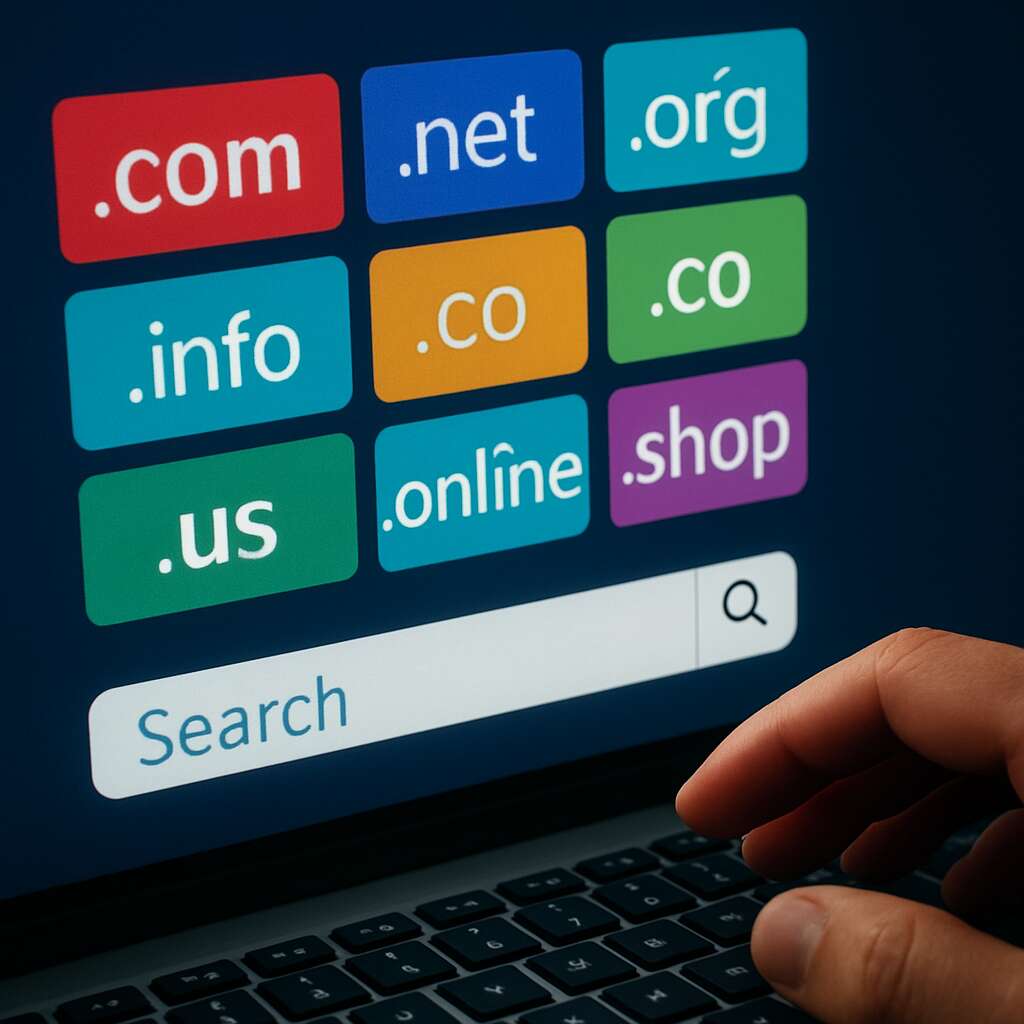
- Generic top-level domains (gTLDs) such as .com, .net, and .org that signal a broad online presence.
- Country-code top-level domains (ccTLDs) like .uk, .ca, or .au that specify a regional focus and cultivate local trust.
- New gTLDs like .tech, .blog, or .farm that provide more specialised options for niche markets.
Choosing the right domain name isn’t just about branding. It’s about creating an accessible, trustworthy digital footprint whenever someone types your website address into a browser. Each type of domain name has its unique advantages, shaping how visitors perceive your online space and encouraging a deeper connection to your story. With an eye on the evolving landscape of domain names, selecting the appropriate one is a thoughtful step toward inspiring confidence and building lasting digital relationships.
History and Evolution of Domain NamesThe history of domain names unfolds like a shadowy tapestry—woven with innovation, chaos, and a hint of the unknown. When the internet was born from a labyrinth of interconnected networks, domain names emerged as an necessary guide through the digital darkness. These clandestine identifiers transformed from simple labels into the keys of a sprawling virtual universe.As the internet expanded, so too did the fascination with domain names. In the early days, the preferred choice was mostly .com, serving as a universal hallmark of legitimacy. But with time, the landscape grew darker and richer, filling out with new gTLDs and ccTLDs reflecting regional identities and specialised markets.
The evolution of domain names is not merely a tale of technological progress; it’s a reflection of how we seek connection, trust, and identity in a vast web of shadows. From static addresses to symbols of digital desire, they continue to shape the way we forge our presence in the digital abyss.
Choosing the Right Domain Name
Tips for Selecting an Effective Domain NameChoosing the right domain names is an exercise in understanding the human psyche and the unspoken language of trust and recognition. A domain name isn’t just a web address; it’s a mirror reflecting the identity and goals of a business. When selecting a domain name, consider its simplicity and memorability—two qualities that anchor it in the minds of users long after they’ve navigated away.Think of domain names as the first handshake — an instant gauge of professionalism and intent. A captivating domain name should embody clarity, relevance, and a touch of uniqueness. In an era where attention spans are fleeting, a well-chosen domain name anchors your presence in a saturated digital space. It’s not merely about avoiding confusion but creating a lasting impression that resonates on a subconscious level.
- Clarity in purpose and messaging
- Memorability that invites return visits
- Relevance to your niche or industry
- Availability and potential for branding
Keywords and BrandingIn the tapestry of digital identity, choosing the right keywords and branding for your domain names is akin to carving runes into stone—each one imbued with purpose, meaning, and influence. When pondering domain names, think of them as the heralds of your brand—signifiers that communicate not just what you do, but who you are in a vast, interconnected world. The selection of keywords within your domain names acts as a compass, guiding search engines and users alike to your corner of the internet.
Embedding relevant keywords can turn an ordinary domain name into a powerful beacon that signals clarity and relevance. For example, a domain name that seamlessly blends industry keywords with a memorable phrase creates a visceral impression, inviting community and curiosity. The process of crafting these names is a dance between creativity and strategy—a balancing act that ensures your domain not only ranks well but also tells a compelling story. When the branding aligns with your core message, your domain names become legendary portals—markers etched into the collective consciousness of your audience.Domain Name Availability
Choosing the right domain name is more than just a preliminary step in establishing a digital presence; it is an act of unveiling your true identity in the vast web cosmos. According to recent studies, nearly 70% of consumers judge a website’s credibility solely based on its domain name. This reveals how vital the act of selection transcends mere branding—it becomes an existential declaration of purpose. When contemplating domain names, it’s essential to consider not only how they sound but how they resonate on a subconscious level. Will this name evoke trust, curiosity, or a sense of belonging?
Availability plays a central role in this process. So many compelling domain names are snatched up before they even reach your fingertips, which fosters a relentless pursuit of originality and strategic thinking. A practical approach involves ranking potential names according to their alignment with core values or a clear representation of your niche. This often leads to the creation of domain names that are both memorable and meaningful, serving as gateways to authenticity rather than fleeting trends. Engage with tools that reveal domain name availability early, allowing the creative process to flourish without unnecessary restraint.
- Check symbolically for domain names that inspire or provoke emotion.
- Prioritise clarity—your domain name must clarify your purpose instantly.
- Confirm availability across multiple extensions, not just .com; consider regional alternatives or new gTLDs to carve out unique space.
In the end, selecting a domain name is a meditation on identity, purpose, and human connection. It’s an unspoken pact—an invitation to others to understand your world through a name that embodies so much more than characters and digits. It’s an art form that magnifies your voice amid the chaos of the digital age.
Legal Considerations
Choosing the right domain names involves more than finding something catchy. Legal considerations are often overlooked in the excitement of branding. It’s vital to ensure your chosen domain name doesn’t infringe on existing trademarks or intellectual property. Violating someone else’s rights can lead to costly disputes or even domain name shutdowns.
Start by conducting thorough searches for potential conflicts. You might also want to consider the following:
- Checking registered trademarks in the UK and relevant regions
- Ensuring the domain name isn’t too similar to an established competitor’s
- Confirming registration rights before investing heavily in branding
Registering domain names with different extensions can help protect your brand. If your core domain isn’t available, regional or new gTLD options could offer unique space for expansion.
- Perform comprehensive legal searches.
- Secure rights across major extensions.
- Consult legal expertise if uncertainties arise.
This approach minimises the risk of legal trouble and lays a solid foundation for your online presence.
Registering and Managing Domain Names
How to Register a Domain NameChoosing the perfect domain names feels akin to selecting a farm’s most precious seed—it's the foundation of a digital identity. Registering a domain name isn’t just a matter of picking something catchy, but rather a thoughtful process that ensures your online presence is meaningful and memorable. With hundreds of thousands of domain names registered daily, standing out requires a careful balance of creativity and strategy. It’s about finding a name that resonates with your audience and encapsulates your brand’s essence, all while respecting legal boundaries.
Once you've settled on a suitable domain name, the process of registration becomes straightforward but vital. Many reputable domain registrars provide user-friendly interfaces, guiding you through the steps. You will need to search for available domain names—making sure they’re not already taken or infringing upon existing trademarks. If the name you want isn’t available, consider alternative spellings or expanding your domain name with relevant phrases. Managing your domain names successfully involves renewing registration on time, updating contact information, and ensuring your domain remains secure from cyber threats.
- Begin by creating a list of potential domain names aligned with your brand or project.
- Utilize domain registrar tools to check for availability in real-time.
- Select a domain name extension that suits your purpose, whether .co.uk or .org.
- Register your chosen domain name through a trusted registrar, paying attention to renewal terms and privacy options.
Choosing a Domain RegistrarChoosing the right domain registrar is like selecting a trusted custodian for your digital treasure chest. It’s more than just a place to register your domain names; it’s the heartbeat of your online empire. A quality registrar offers an intuitive interface that guides you fluidly through the registration process, making it almost as enchanting as crafting your brand’s story. When managing your domain names, consider features like automatic renewal, privacy protection, and security protocols—these elements preserve your domain’s integrity and safeguard your online identity.
To streamline your journey, I often recommend examining key attributes such as customer support reputation, pricing transparency, and ease of transfer. For clarity, here’s a quick glance at the essential steps:
- Compare registry providers based on feature set and trustworthiness
- Check the availability of your desired domain names in real-time
- Review renewal policies and privacy options with attention to detail
Selecting a trusted domain registrar ensures your domain names are more than mere addresses; they become the foundation of your digital presence, secure and ready to grow.Renewal and Transfer ProcessesRegistering and managing domain names is a crucial step in establishing a resilient online presence. Once your domain names are secured, the focus shifts to maintaining their renewal and handling transfer processes smoothly. Renewing your domain names on time prevents loss and keeps your digital footprint active. Many registrars offer automatic renewal options, a feature worth enabling to avoid accidental expiration.
When it’s time to transfer domain names, clarity is key. The process can seem complex, but most registrars provide straightforward instructions and support. A typical transfer involves unlocking your domain, obtaining an authorization code, and updating the registrar details. It’s a process designed to protect your ownership and ensure your domain names stay under your control.
- Check the renewal policies in detail
- Verify privacy protection options
- Confirm transfer compatibility with your current registrar
Managing these processes carefully ensures your domain names remain secure and accessible, forming a stable foundation for your online brand.Managing DNS Settings
Contemplating the intricate world of managing domain names is like balancing on a digital tightrope—one misstep can send your online presence plummeting into obscurity. Managing DNS settings is often the unsung hero of a seamless web experience for visitors, yet it’s where many stumble into confusion. The alchemy of DNS involves translating user-friendly domain names into the complex language of IP addresses, so your website can appear where it should—on screen, not lost in the ether.
For those brave enough to delve into DNS configuration, here’s a quick glimpse at what’s involved:
- Adjusting A records to point your domain to your hosting server
- Setting up MX records for email services to ensure your messages actually arrive
- Configuring CNAME records for subdomains, like blog.yourdomain.com
Whether you're updating DNS settings or tweaking domain names for a fresh branding initiative, it’s wise to verify your changes within the propagation window—because DNS is never a fan of instant gratification. In the world of digital real estate, managing domain names with precision and a touch of patience is what keeps your online empire intact.
Cost and Privacy ProtectionThe cost of registering and managing domain names can vary widely, often reflecting the perceived value and purpose behind the domain. For small business owners or entrepreneurs, this expense might seem like a minor line item, yet it’s pivotal to establish a credible online presence. The price can range from a modest annual fee for standard domains to premium charges for highly sought-after or trademarked names. Many registrars offer bundled packages that include privacy protection, which prevents unwanted solicitations and keeps your contact details private.Privacy protection, in particular, has become a crucial aspect of domain management. Without it, your personal details are publicly accessible through WHOIS directories, risking spam or even identity theft. Given the increasing importance of data security, investing in privacy protection for your domain names is a wise move. It ensures your online identity remains shielded from malicious actors while maintaining transparency with your visitors. When considering domain names, weighing the costs against the privacy benefits helps solidify a secure foundation for your digital identity.
Strategies for Optimal Domain Name Use
Building a Professional WebsiteA well-chosen domain name can be the difference between digital fame and being forever lost in the cyber abyss. The secret? Think of your domain names as the front door to your virtual empire—grab attention from the moment someone types it in. When building a professional website, selecting the right domain name isn’t just about clever branding; it’s about strategic placement and long-term growth.A good rule of thumb is to keep your domain names memorable, concise, and reflective of your brand’s identity. Avoid convoluted spellings or tricky hyphens; instead, aim for clarity and relevance. For added SEO benefits, integrating primary keywords naturally into your domain names helps search engines understand your focus and rank your site accordingly.
Here’s a quick rundown of strategies to make the most out of your domain names:
- Prioritise keywords without sacrificing simplicity.
- Choose a reputable domain registrar to ensure stability and authority.
- Secure your domain names early to protect your brand from cybersquatters.
- Maintain consistent branding across all platforms to reinforce recognition.
Remember, your domain names aren't just addresses—they’re your digital identity. With careful planning and strategic thinking, they can help you build a professional website that stands out in the crowded online arena.Brand Consistency Across Domains
In the hustle and bustle of the digital marketplace, selecting domain names is akin to choosing the perfect tailor-made suit—every detail counts. A well-strategized domain name not only embodies your brand’s essence but also sets the stage for seamless recognition across the online spectrum. Consistency across domains isn’t merely about branding; it’s a subtle art form that reinforces your digital identity and cultivates trust with your audience.
Imagine if your domain names echo the same tone and style as your social media handles or email addresses, the resonance of your brand becomes unmistakable. This cohesion, often overlooked, yields immense benefits in terms of customer recall and search engine recognition. For instance, opting for a uniform domain name variant across different regional markets can serve as a form of silent reassurance for consumers, subtly signalling professionalism and stability.
- Start with primary keywords that mirror your services or products, but ensure these keywords fit naturally within your domain names.
- Maintain uniformity by aligning your main domain name with variations or subdomains, creating a consistent digital footprint.
- Secure all relevant domain extensions and variants early to preclude cybersquatting and protect your brand equity.
Keeping your brand consistent across domains eliminates confusion and fosters a sense of familiarity. When visitors encounter the same naming conventions at every touchpoint, trust is cultivated with minimal effort. Combining strategic keyword placement with uniform branding isn’t just a nicety; it’s an astute approach that elevates your domain names from mere URLs to cornerstones of your online presence.
Redirection and Domain ForwardingIn the intricate dance of establishing a resilient online presence, strategic use of domain names through redirection and domain forwarding can profoundly influence how your brand is perceived. These tools serve as silent architects of user experience, guiding visitors seamlessly across your digital ecosystem. https://pixel-earth.com/understanding-domain-names-the-foundation-of-a-strong-online-presence/


Comments
Post a Comment